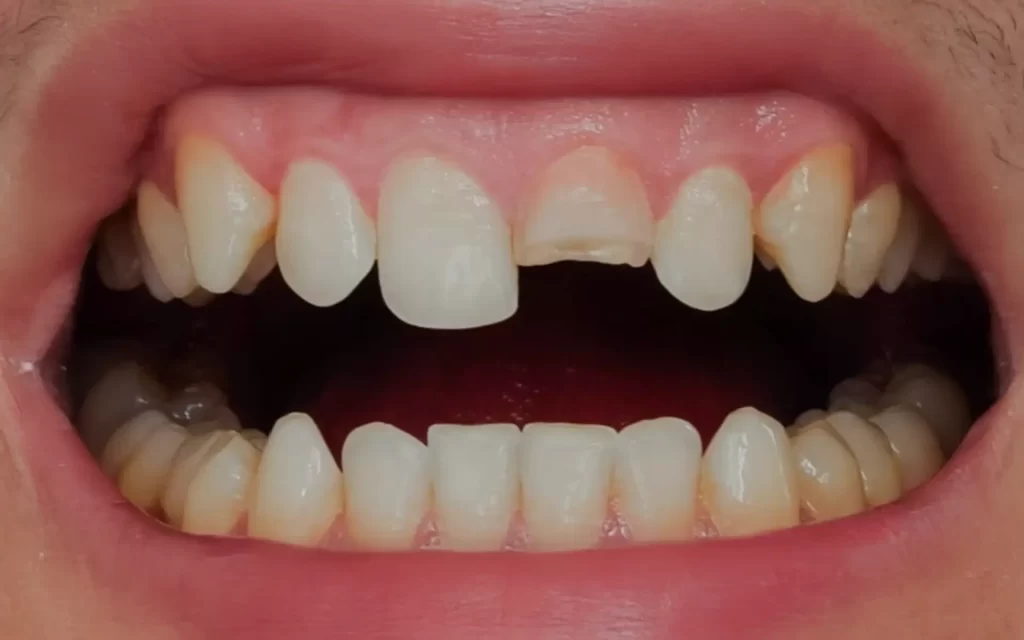
Mouthguards play an important role in reducing the risk of dental injuries during sport, but can a mouthguard prevent every dental injury? The answer is no. While mouthguards provide an important layer of protection, no mouthguard can guarantee complete protection against every impact.
Understanding the limitations of mouthguards means recognising the different variables that influence their effectiveness, including impact force, direction, fit, coverage and material properties.
In this article, we explore these factors, explain why they matter and discuss how appropriate mouthguard design can help manage impact energy.
For a broader explanation of how mouthguards are designed to protect the teeth and jaw — and the factors that influence their effectiveness — see our complete mouthguard guide to choosing the right mouthguard.
One area that is often misunderstood is concussion prevention — our article on mouthguards and concussions can help explain where the evidence is clear and where limitations remain.
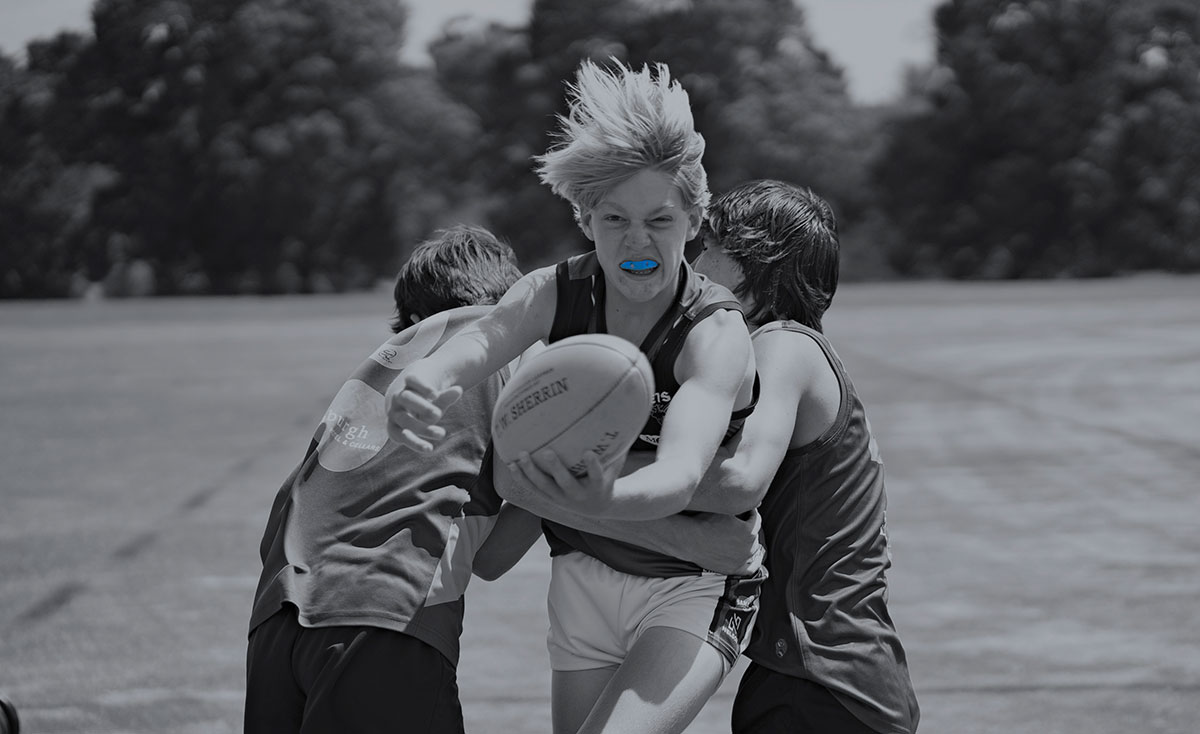
No Absolute Guarantee: See the Limitations of Mouthguards
No mouthguard, whether professionally made or purchased over the counter, can guarantee protection against every dental injury. A particularly forceful impact may exceed even a well-designed mouthguard’s protective capabilities.
That said, wearing a mouthguard helps to reduce the risk and severity of dental injuries compared with not wearing one. The important consideration is understanding the factors that influence how effectively a mouthguard provides protection.
Variables Affecting Mouthguard Effectiveness
Several factors influence how well a mouthguard performs during an impact:
- The object involved: Different objects, such as a ball, elbow or sporting equipment, create different impact conditions.
- The force and direction of impact: The speed, force and direction of a blow influence how energy is transferred to the teeth and surrounding structures.
- Material properties: The ability of the mouthguard’s materials to absorb and disperse impact energy plays an important role in protection.
- Location of impact: Where the blow occurs affects how forces are distributed through the mouthguard and surrounding structures.
- Fit and coverage: A securely fitted mouthguard needs to remain correctly positioned and provide appropriate coverage of the teeth and supporting areas.
- Construction and manufacturing: Mouthguard design and manufacturing techniques can influence performance. Research has also identified differences in protection between laboratory-made mouthguards, highlighting the importance of construction and manufacturing consistency.
Some of these factors can be investigated under controlled conditions through sports mouthguard impact testing, including the influence of materials, construction, impact absorption and force distribution.
Why Mouthguard Fit and Condition Matter
A mouthguard must remain securely positioned to provide its intended protection. Even a mouthguard made from suitable protective materials may not perform as intended if it is loose, poorly fitted or does not provide adequate coverage.
Regular inspection and proper maintenance are also important. Damage, distortion, thinning or deterioration can affect a mouthguard’s condition and suitability for continued use.
For practical guidance, read our article on how to clean and care for your mouthguard.
Summary: A Mouthguard Is a Safeguard, Not a Guarantee
A securely fitted mouthguard, designed to absorb and disperse impact energy while providing appropriate coverage, can help reduce the forces transferred to the teeth. However, the outcome of any impact depends on several variables, and no mouthguard can eliminate the risk of injury.
The important message is that wearing a mouthguard provides a valuable safeguard, but it cannot guarantee complete protection.
It is also worth understanding the distinction between a mouthguard’s protective limitations and the terms of a sports mouthguard warranty.
About the Author
Amanda Trenerry is the Founder of NeoMorph Mouthguards and a Dental Hygienist with more than 30 years of clinical experience and over 38 years in the dental profession. Her experience spans across general dentistry, orthodontics, prosthodontics and dental education in both Australia and the UK. Amanda has spent much of her career educating patients about oral health and sports mouthguards and is passionate about improving access to comfortable, protective mouthguards for all athletes.

Disclaimer: This article is based on the professional experience and opinions of Amanda Trenerry, Founder of NeoMorph Mouthguards, gained through more than 30 years working within the dental profession, including extensive experience in orthodontics. The information is provided for educational purposes only and should not be relied upon as individual clinical advice. Patients should consult their own dental or orthodontic practitioner regarding their specific treatment and mouthguard requirements.