Do Mouthguards Help Prevent Concussions?
Can Mouthguards Make a Difference when preventing Concussions in Contact Sports?
Concussions remain a significant concern in contact sports, leading many athletes, parents and coaches to question whether mouthguards help prevent concussions and can help reduce the risk. While mouthguards undoubtedly play a vital role in preventing dental and orofacial injuries, their potential role in reducing concussion risk remains the subject of ongoing research. In this article, we explore what the current evidence tells us about the relationship between mouthguards and concussion risk.
Understanding the nature of concussion
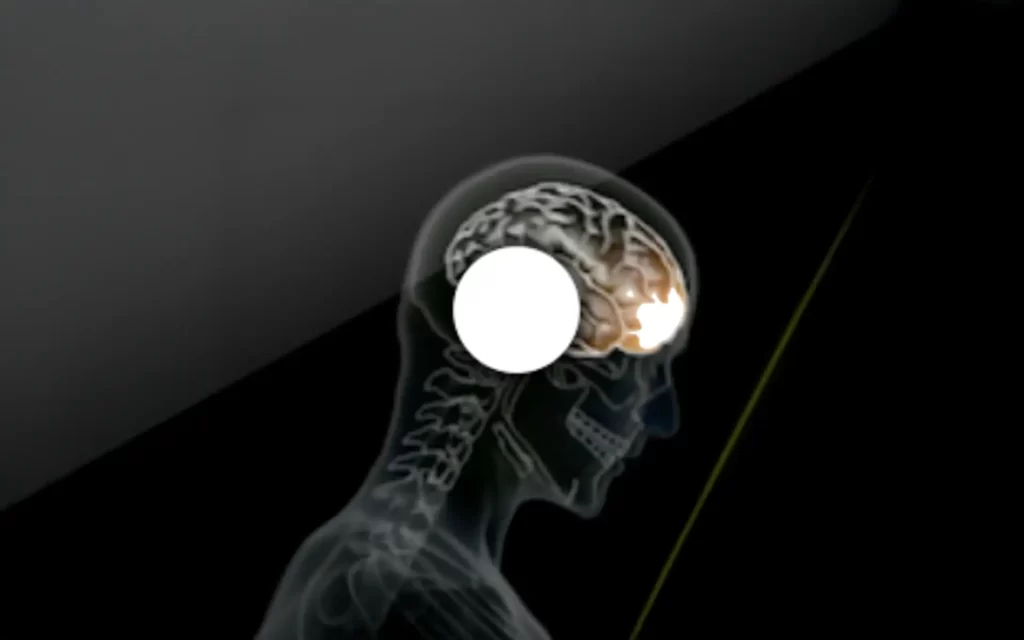
To understand why mouthguards are not considered a proven method of preventing concussions, it’s important to understand how these injuries occur. A concussion results from forces transmitted to the brain that cause it to move rapidly within the skull. This movement can trigger chemical changes and stretch or damage brain cells, leading to the characteristic signs and symptoms of concussion.
Mouthguards: Proven for Dental Protection
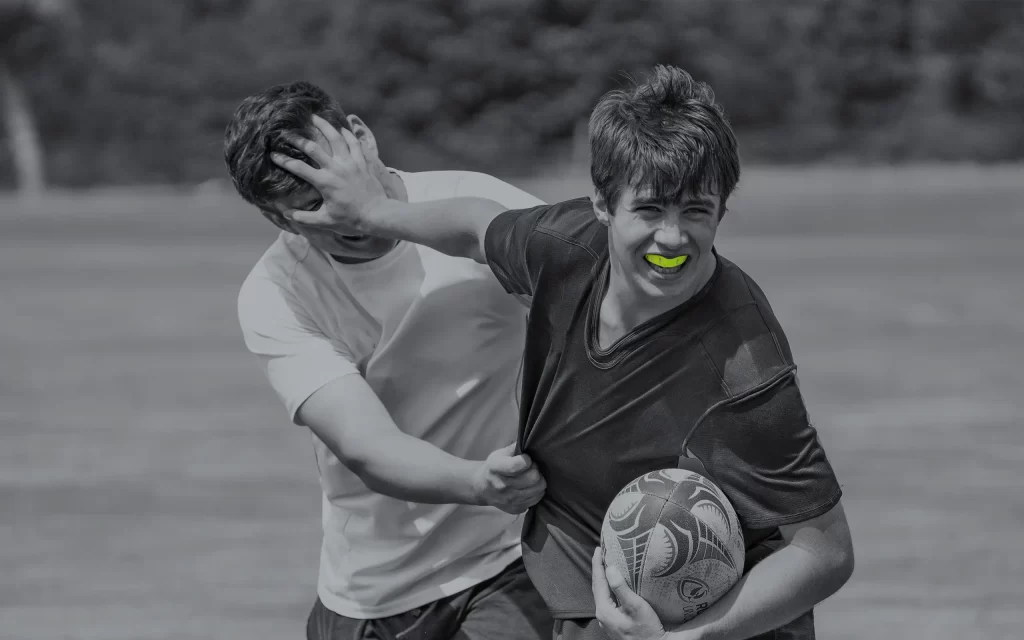
Mouthguards are designed to absorb and distribute impact forces, helping to reduce the risk of dental and orofacial injuries. However, they cannot completely prevent the brain from moving within the skull during a significant impact.
Current research has not established that mouthguards help prevent concussions. However, some recent studies have reported a possible reduction in concussion risk among athletes wearing properly fitted mouthguards, and further high-quality research is needed before firm conclusions can be drawn.
This is one example of why it is important to understand the limitations of mouthguards and what they can and cannot be expected to protect against.
For an overview of how mouthguards are designed to protect the teeth and jaw — and what they are not designed to do — see our complete mouthguard guide to choosing the right mouthguard.
The Rise of Sensor-Equipped Mouthguards
Advances in sports technology have introduced mouthguards with embedded sensors, such as HIT IQ. These innovative mouthguards are designed to measure head impact forces that may be associated with a potentially concussive impact. The data can then be transmitted to an athlete’s performance staff, parents or the athlete via a mobile application.
While these devices provide valuable information that may assist with concussion recognition and management, they do not prevent concussions from occurring.
Conclusion
Mouthguards unquestionably play a vital role in reducing the risk of dental and orofacial injuries. While research into if mouthguards help prevent concussions continues to evolve, current evidence does not support relying on a mouthguard as a means of preventing concussions.
Athletes should continue to wear a properly fitted mouthguard because it is proven to reduce the risk of dental and orofacial injuries. At the same time, concussion prevention should focus on appropriate coaching, safe play, rule enforcement, and prompt recognition and management of head injuries.
Sensor-equipped mouthguards represent an exciting development in athlete safety by providing objective information following significant impacts. Although they do not prevent concussion, they may play an increasingly important role in identifying potentially serious impacts and supporting appropriate medical assessment.
To ensure they continue to provide effective protection, mouthguards should always be properly maintained — learn how to clean and care for your mouthguard to keep it safe, hygienic and performing as intended.
Current evidence strongly supports the use of properly fitted mouthguards to reduce the risk of dental and orofacial injuries. Although some recent studies have suggested a possible reduction in concussion risk, there is currently insufficient evidence to conclude that mouthguards prevent concussions.
Regardless of their role in concussion prevention, a properly fitted mouthguard remains one of the most effective pieces of protective equipment available for reducing the risk of dental and orofacial injuries during contact sport. Wearing a mouthguard should be part of every athlete’s overall approach to injury prevention.
Reference
Knapik JJ, Hoedebecke BL, Rogers GG, Sharp MA, Marshall SW. Effectiveness of Mouthguards for the Prevention of Orofacial Injuries and Concussions in Sports: Systematic Review and Meta-Analysis. Sports Medicine. 2019;49(8):1217–1232. https://doi.org/10.1007/s40279-019-01121-w
About the Author
Amanda Trenerry is the Founder of NeoMorph Mouthguards and a Dental Hygienist with more than 30 years of clinical experience and over 38 years in the dental profession. Her experience spans across general dentistry, orthodontics, prosthodontics and dental education in both Australia and the UK. Amanda has spent much of her career educating patients about oral health and sports mouthguards and is passionate about improving access to comfortable, protective mouthguards for all athletes.

Disclaimer: This article is based on the professional experience and opinions of Amanda Trenerry, Founder of NeoMorph Mouthguards, gained through more than 30 years working within the dental profession, including extensive experience in orthodontics. The information is provided for educational purposes only and should not be relied upon as individual clinical advice. Patients should consult their own dental or orthodontic practitioner regarding their specific treatment and mouthguard requirements.