
If you spend enough time around contact sports, you’ll notice something pretty quickly: plenty of athletes don’t exactly love wearing their mouthguards. They chew on them. They pull them in and out. They constantly reposition them.
The solution to fixing these concerns is in better fitting mouthguards.
It can be very tempting to assume athletes simply don’t want to wear a mouthguard, but often the issue is more practical than that. A mouthguard that feels bulky, moves around, interferes with speaking or needs to be clenched just to stay in place can quickly become frustrating to wear.
But why is this the case? And how can finding the most comfortable sports mouthguard make a real difference on the field?
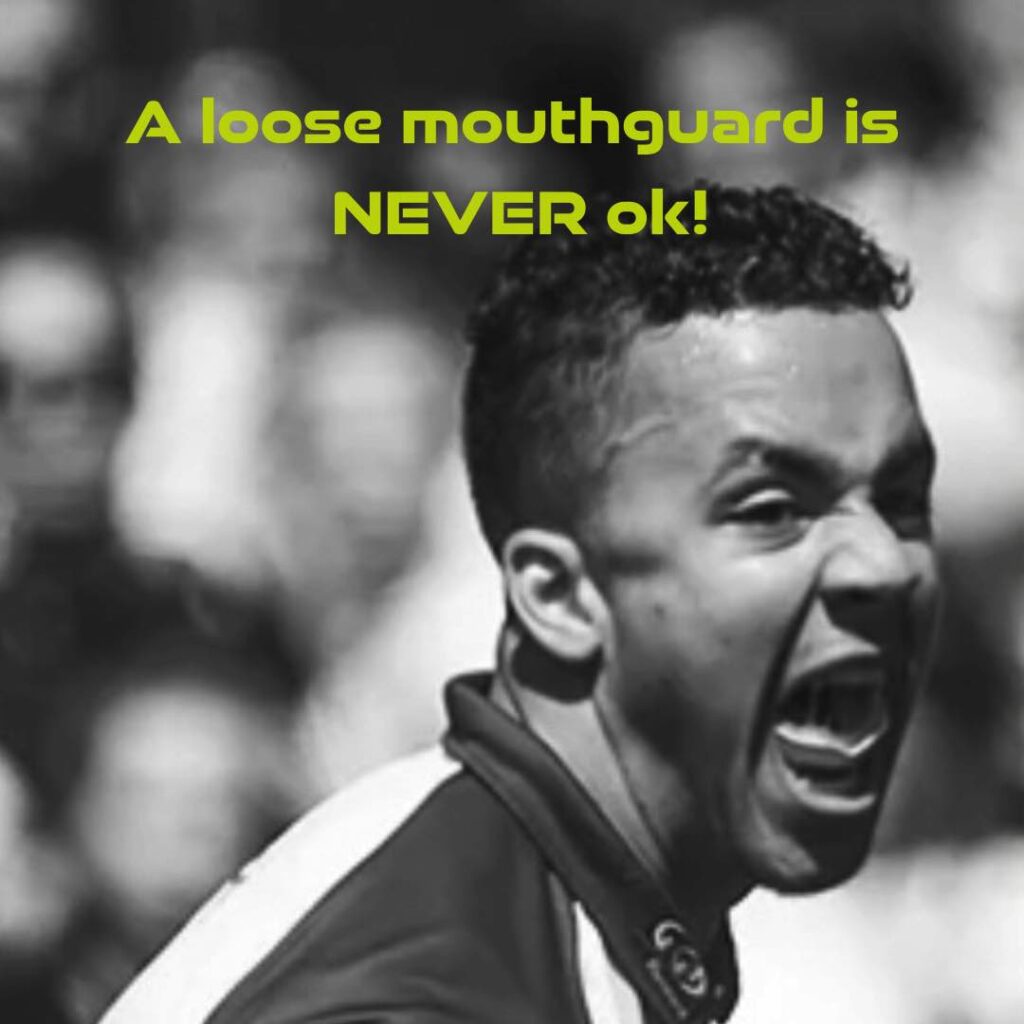
The Impact of a Bad Fit
Athletes don’t avoid mouthguards because they are risk takers, and it is not natural to expose yourself to injury unnecessarily.
A mouthguard loses its appeal (and protection) when it moves, feel bulky, requires the wearer to bite down on it to keep it in place, or when it interferes with speaking and breathing. Alternatively a securely-fitting mouthguard will stay in position to protect if impact occurs, be comfortable and allows the wearer to breath and speak easily.
The Danger of “Chewing” Your Guard or Hanging it Outside Your Mouth
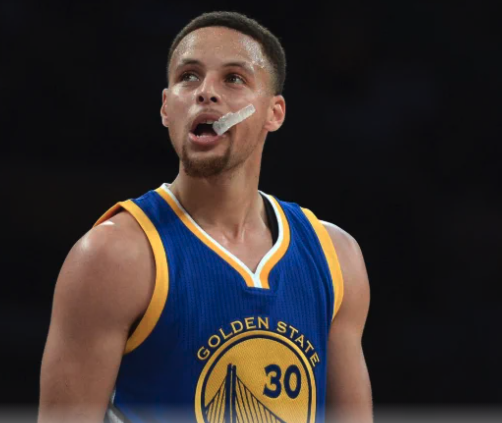
Hanging your mouthguard outside of your mouth or chewing on it can be a sign that a mouthguard isn’t staying securely in place.
For some athletes (like Stephen Curry below) this can become a habit, which over time can damage the mouthguard and alter its fit.
More importantly, if the mouthguard isn’t sitting correctly when an impact occurs, it will not provide the protection it was designed to provide.
A mouthguard can only provide protection when it is worn properly and consistently.
A Better Fit Means Less Distraction
The best mouthguard in the world is useless if the athlete refuses to wear it. That is why it is important to ensure a mouthguard is comfortable.
A better-fitting mouthguard does not make an athlete faster, stronger or fitter. What it can do is remove an unnecessary distraction. When a mouthguard stays securely in position, the athlete doesn’t need to continually clench, chew or reposition it. That means more attention can stay where it belongs — on the sport.
A good sports mouthguard needs to balance secure fit, comfort and protection. It needs enough thickness and the right material properties to help absorb and distribute impact energy, while still being comfortable enough to wear properly and consistently.
Conclusion: Stop Compromising on Comfort
It’s time to shift our thinking. Athletes shouldn’t have to fight their protective gear. By choosing a solution like the NeoMorph Mouthguard, which was intentionally designed to offer a secure fit, comfort and protection, athletes can focus entirely on the game, not on keeping their mouthguard in place.
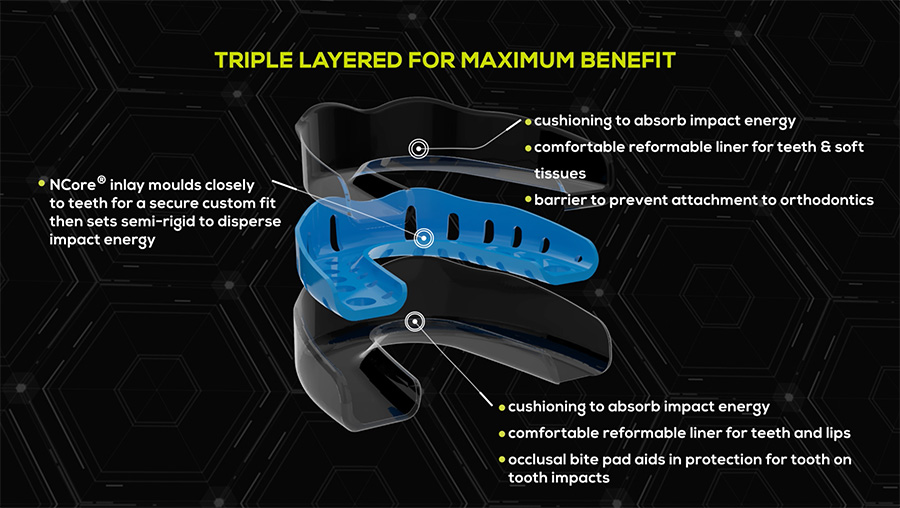
NeoMorph Prodigy® was developed to provide a secure custom fit in a slim 3.5 mm, fully mouldable, triple-layered design — without any hard, non-mouldable bulky bits. It is also re-mouldable up to 10 times and suitable for athletes with fixed braces and bonded attachments.
While there isn’t a mouthguard that can guarantee complete protection against every sporting impact, a mouthguard that stays securely in place is far more likely to be worn consistently, and be in position to provide protection when it is needed most.
Ready to experience a mouthguard you’ll actually want to wear?
Discover the NeoMorph Prodigy® today and keep your focus where it belongs—on the game.
get neomorph prodigy mouthguardAbout the Author
Amanda Trenerry is the Founder of NeoMorph Mouthguards and a Dental Hygienist with more than 30 years of clinical experience and over 38 years in the dental profession. Her experience spans across general dentistry, orthodontics, prosthodontics and dental education in both Australia and the UK. Amanda has spent much of her career educating patients about oral health and sports mouthguards and is passionate about improving access to comfortable, protective mouthguards for all athletes.
Disclaimer: This article is based on the professional experience and opinions of Amanda Trenerry, Founder of NeoMorph Mouthguards, gained through more than 30 years working within the dental profession, including extensive experience in orthodontics. The information is provided for educational purposes only and should not be relied upon as individual clinical advice. Patients should consult their own dental or orthodontic practitioner regarding their specific treatment and mouthguard requirements.