
This complete mouthguard guide explains how fit, materials, and design influence protection across different sports.
What Is a Mouthguard and Why Do You Need One?
A mouthguard is a protective oral device that fits over the teeth to help reduce the risk and severity of dental injuries, including fractured teeth, tooth loss, and soft tissue damage to the lips and cheeks.
In contact or collision sports, impacts to the face are frequent and often unexpected, making the presence of a mouthguard critical.
Research suggests that up to 39% of all dental injuries are sports-related, with the majority involving the upper front teeth. These injuries aren’t just painful, they can also be life altering. Dental trauma can require years of treatment and is often accompanied with social, physical, emotional and financial costs. It is estimated that properly fitting mouthguards can reduce the incidence and severity of dental injuries anywhere between 60 – 80%.
Despite the risks, many sports people continue to wear low-quality mouthguards or none at all. Their reasons are personal and varied: it may be due to a lack of awareness, cost, orthodontics (i.e. wearing braces or aligners), the poor fit and discomfort of many over-the-counter mouthguards, or convenience and accessibility.
Neomorph was developed to address these issues. With its slim comfortable profile, secure custom-fit and the ability to re-mould if required through orthodontic treatment, Neomorph makes high-level protection accessible without the need for a dental visit. Whether you’re a weekend warrior or a professional athlete, a mouthguard should be non-negotiable.
Choosing the right sports mouthguard protection is about more than just thickness — it’s about fit, comfort, and how well the mouthguard performs during real-world impact.
Types of Mouthguards Explained
Modern re-mouldable sports mouthguards aim to bridge the gap between traditional boil-and-bite options and professionally made dental mouthguards.
When selecting a mouthguard, it’s important to understand the three primary types available: stock (preformed), boil-and-bite (mouth-formed) and custom-made (dental made).
Each offers different levels of fit, comfort, protection, and cost.
Stock (Pre-Formed) Mouthguards

These are a pre-moulded, one-size-fits-all loose overlay typically found in sporting goods stores. They are the cheapest option, often made of a single plastic material, and cannot be shaped or adjusted to fit the user. As a result, they tend to be bulky, loose, and uncomfortable. Athletes often need to clench their teeth to keep them in place, making it harder to breathe or speak. Due to their poor retention and limited coverage, most dental professionals advise against their use.
Mouth-Formed (Boil-and-Bite) Mouthguards

This type of mouthguard is generally referred to as a “Boil & Bite” mouthguard because they are made from thermoplastic materials that soften when immersed in hot water. Once softened, the wearer then bites together and uses finger pressure & suction to mould the material around the teeth. They offer a better fit than stock guards and are widely available at an affordable price. However, traditional boil-and-bite guards can be inconsistent in coverage, retention, and comfort. Many users report they are bulky, uncomfortable and don’t fit securely, offering reduced protection. Neomorph solved this problem by combining a triple-layered construction and a remouldable center (NCore®), providing superior protection and mouldability more comparable to a dental-made mouthguard.
Custom-Made (Dental-Made) Mouthguards
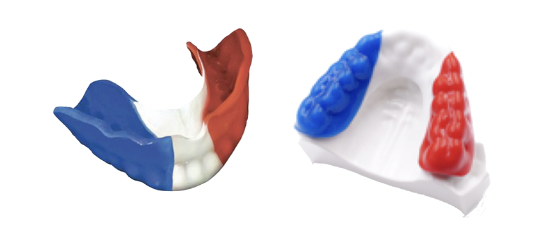
These are made by dental professionals using impressions or 3D scans of the athlete’s teeth. They are typically fabricated from EVA (ethylene-vinyl acetate) material using vacuum or pressure-forming techniques under high heat. This technique applies heat and vacuum or pressure to ensure the material conforms precisely to the contours of the patient’s teeth on the study model. Custom mouthguards offer the best fit. They can be sport-specific in thickness, which means that with heavier impact sports an additional layer can be added to provide thicker protection. They often cost between $150–$300 and generally require a clinic appointment and lead time (generally 1 week) to manufacture. This type of mouthguard cannot be re-moulded if the teeth change i.e for orthodontic patients.
Where Neomorph Fits
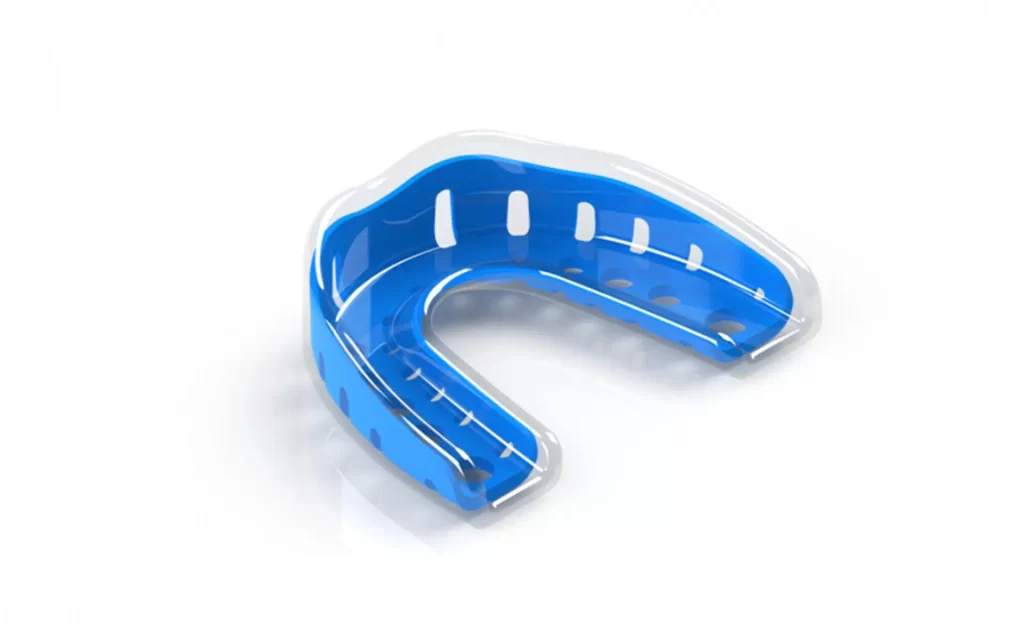
Neomorph bridges the gap between mouth-formed mouthguards and custom-made mouthguards. While Neomorph does technically come under the “mouth-formed mouthguard banner”, it differs from all others in its design and triple-layered system.
All 3 layers of Neomorph are re-mouldable so you will never experience hard casings or hard bits within Neomorph. When heated the internal layer (coloured) softens to conform tightly around teeth, and when it sets, it locks to hold that custom fit in place and then become a rigid construction to spread the load of impact energy away from underlying teeth. The external layers are interlocked with the middle layer so they also follow the contour of the internal layer to fit securely. These external layers assist with absorbing impact energy, they enable Neomorph to feel smooth and comfortable and act as a barrier to prevent attachment to orthodontic appliances so you can wear Neomorph with braces and aligners if you have them.
Neomorph delivers the convenience and price-point of an over-the-counter product with protection and fit that is more in line with the dental-made mouthguard. With up to 10 remoulds possible, it offers a cost-effective and practical alternative for those who choose not to wear a dental-made mouthguard, and for those undergoing orthodontic treatment.
How Mouthguards Protect Against Dental Injury
The role of a mouthguard goes far beyond preventing broken teeth. It acts as a shock absorber, redistributing the energy from impacts to minimise the risk of dental, skeletal, and soft tissue injury. The upper front teeth (maxillary incisors) are the most vulnerable during sport and account for nearly 80% of all dental trauma cases. A well-fitted mouthguard protects these teeth by dispersing (spreading) impact forces across a broader area, while also absorbing energy to cushion the blow.
In high contact sports like boxing, football, rugby, hockey, lacrosse and basketball (where impact to the mouth is frequent), this kind of protection is invaluable.
Although some claim that mouthguards can prevent concussions, the evidence is inconclusive. However, by limiting jaw shock and reducing dental trauma, they may help lessen the severity of secondary injuries associated with head impact. At the very least, they prevent complex, painful, and costly dental outcomes that can sideline athletes and lead to long-term dental issues.
There is ongoing discussion around the role of mouthguards in concussion prevention — our article on mouthguards and concussions explains what the current evidence does and does not support.
Understanding Neomorph’s Triple-Layer Protection
Neomorph’s multi-layered construction is 3.5mm thick and provides a re-mouldable mouthguard that has the ability to absorb and disperse impact energy to protect for a broader range of impacts.
The choice of materials and the way in which they interlock to work together, has provided the formula for a mouldable mouthguard that is more custom fitting, comfortable and protective than what is currently available over-the-counter.
At the centre of Neomorph is NCore®, a 1mm temperature-sensitive layer that is super mouldable.
When heated NCore® moulds firmly around teeth to form a secure custom-fit. When its cooled, it sets to hold that custom fit in place and becomes a semi-rigid, non-compressible structure, to disperse impact energy, meaning that when a person receives an impact to the mouth, the NCore® layer will help to spread the impact energy throughout the mouthguard and away from the immediate underlying teeth.
It is this central NCore® layer that gives Neomorph its superior custom fit & protective benefits, and the difference between Neomorph and all other re-mouldable mouthguards.
The outer layer (surrounding NCore®) is made from the same EVA material as is used for dental-made mouthguards
This ticks all our other practical boxes. It offers
- a comfortable liner for teeth and lips,
- cushioning to absorb impact energy,
- a barrier to prevent attachment to braces,
- and a bite pad to help in protection for tooth on tooth impacts.
In independent impact testing, Neomorph stood up to, and in most cases, exceeded the protection of dual-laminate custom mouthguards. Its snug fit ensures the mouthguard stays in place during active play and its triple-layer technology ensures protection without the bulkiness.
How to Choose the Right Mouthguard
Choosing the right mouthguard involves more than just picking a product off the shelf. A poorly fitting mouthguard can cause discomfort, distract from performance, and offer poor protection. When evaluating your options, look for the following criteria:
- secure fit & retention,
- thickness,
- comfort,
- ease of speaking and breathing, and
- re-mouldability particularly if wearing dental appliances, and overall cost.
Fit and Retention
A good mouthguard should stay in place without needing to be clenched and should cover the teeth and gums to at least the back of the first molars. If a mouthguard has a poor fit it can move or dislodge during impact, which means its protective qualities are compromised. The edges should be smooth and flush with the gum line to avoid irritation or obstruction.
Regardless of the type of over-the-counter mouthguard chosen, understanding how to fit a mouthguard correctly is critical to ensuring it stays in place and provides effective impact protection.
Fit Comfort, Breathing and Speech
These are key for athletes who need to communicate on the field or maintain endurance. Bulky guards make it harder to breathe or talk, especially in sports requiring lots of running or communication. Thickness should be sufficient to absorb impact (3-4 mm at the lip and biting surfaces), but not so excessive that it feels intrusive and uncomfortable.
Thickness and Protection
When it comes to selecting a mouthguard, the thickness is a major factor in protection. Striking the right balance between protection and comfort is key. Research suggests, that for a single material EVA mouthguard, a thickness of 4mm at impact-prone areas is a wise choice to safeguard your smile without compromising on your sporting performance or comfort.
The Neomorph Mouthguard is a dual-material, triple-layered mouthguard that is 3.5mm thick. When tested against technician-made dual-layered mouthguards Neomorph outperformed 15 of the 16 technician mouthguards supplied.
Re-mouldability and Cost Considerations
Finally, re-mouldability is often overlooked. For athletes with growing teeth or undergoing orthodontic treatment i.e braces/aligners, a re-mouldable solution is the perfect option. It is also important for people who may not fit the mouthguard correctly the first time. The majority of over-the-counter mouthguards are one-time mouldable i.e they will only mould to fit once, which will not allow for another mould to improve the fit if something isn’t quite right.
Neomorph was designed as a re-mouldable alternative to the dental-made mouthguard. Its triple-layered structure combines performance-grade materials with the ability to refit the guard up to 10 times, saving money and ensuring continued protection as the mouth changes.
How Custom Mouthguards Are Made (Dental vs Re-Mouldable)
Achieving a secure, custom fit is the cornerstone of mouthguard effectiveness. A properly fitted mouthguard remains in place, cushions impact, and allows the wearer to focus on performance without distraction.
Dental practitioners require an appointment to make a custom-made mouthguard. When the patient is in the dental chair they will take an alginate impression or digital scan of the patients teeth. The patient is then free to go. The practitioner will then either send the impressions or scans to a laboratory for a technician to complete the process or they may complete the process in house.
The next step involves the impression or scan, being used to make a working model that replicates the patients teeth. These working models are then used within a pressure-forming or vacuum-forming machine as the base for the layers of EVA ( Ethyl-vinyl-acetate) mouthguard material to mould around. Depending on the machine used, the material is heated under radiant heat then high pressure forces (most common) OR the high vacuum suctions the EVA sheet material over the working model so it contours the teeth perfectly.
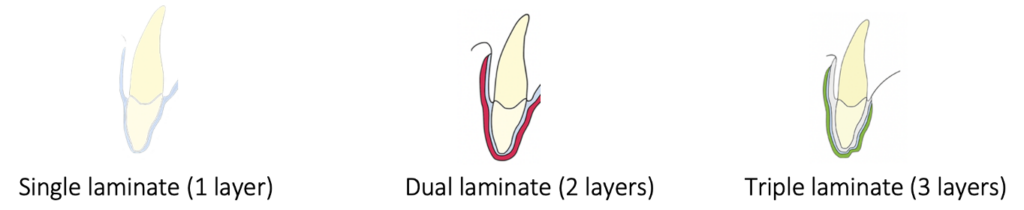
The practitioner or technician may use 1- 3 sheets to layer over the working model dependent on the protection required. A low impact mouthguard may have 1 layer only (2mm) , a standard contact sport mouthguard will generally be dual laminated (2 layers 3-4mm) and a heavy impact sport may be triple-layered (3 layers 5-6mm). These are less tolerated as they can feel quite bulky. The ultimate result however is a precise fit.
This process generally takes anywhere between 3 – 7 days turnaround.
Neomorph eliminates the clinical steps while retaining many of the benefits. The fitting process begins with heating the guard in boiling water to soften the thermoplastic materials. After a nominated heating time, the user places the guard in the mouth and applies finger pressure to conform the NCore® inlay to the contours of the teeth. The user then closes their mouth and sucks all of the air from their mouth for approx. 30-60 seconds to help further contour the mouthguard around the wearers teeth. Once the shape is formed, the mouthguard can be placed into cold water to set, which locks the fit into place.
How to Tell If a Mouthguard Fits Properly
You should do a practice run for fitting your mouthguard prior to heating. This is especially important for mouthguards that only mould once as you do not get another go.
Once you have completed your fit (closely following the manufacturer’s instructions), you will need to check that it fits correctly.
To check the fit of a store bought mouthguard the wearer should place the formed mouthguard into their mouth and check that it adequately covers the outside of their teeth. Ensure the mouthguard is comfortable and fits securely so it won’t dislodge on impact. You should not be able to remove a mouthguard from behind your front teeth when using your tongue, and when you close your teeth together your mouthguard should feel even and not feel like its rocking. If you can remove the mouthguard easily with your tongue from behind your front teeth then it is not tight enough and you should repeat the fitting process for a tighter fit.
If you have a re-mouldable mouthguard (like Neomorph) and there are areas that you are not entirely happy with, you can adjust those sections by placing the localised sections into freshly boiled water – you do not have to heat the entire mouthguard for adjustments. This is only possible however with re-mouldable mouthguards.
You should NEVER need to hold a mouthguard in your mouth by clenching your teeth together.
Care and Maintenance
A mouthguard goes in your mouth—so its cleanliness and condition are very important. When not cared for properly, mouthguards can become a breeding ground for bacteria, leading to unpleasant odors, oral infections, and a shortened lifespan for the mouthguard.
To maintain hygiene, rinse your mouthguard with cool water immediately after each use. Use a soft toothbrush and mild, non-abrasive soap to gently clean the surfaces. Do not use toothpaste, as they can be abrasive and cause microscopic damage.
Ideally the mouthguard should be air dried before placing it in a ventilated case. Bacteria thrive in warm, moist environments, so try not to leave it too wet or in a sealed in an unbreathable container.
Avoid soaking or cleaning your mouthguard with bleach, alcohol, or boiling water, which can damage the material and distort the shape. Ensure the case is also clean and inspect the guard regularly for any signs of damage, odour, or fit issues. Neomorph’s materials are biocompatible (safe), yet proper care ensures it remains effective for longer use.
Special Considerations for Braces, Aligners, and Children
For those undergoing orthodontic treatment, a “stock” mouthguard will not provide appropriate coverage or adaptability. These wearers require a re-mouldable mouthguard to ensure effective, long-term protection.
Braces introduce bracket edges that significantly increase the risk of soft tissue injury if impacted during sport. Impacts can cause deep lacerations to the lips, cheeks, or tongue, and damage to brackets may delay treatment or require costly repairs.
Neomorph addresses this by using a soft inner layer that conforms around braces, offering both cushioning and retention without interfering with tooth movement or applying excessive pressure. Neomorph is also re-mouldable so can be adjusted as teeth move throughout orthodontic treatment.
Frequently Asked Questions
Should mouthguards cover all your teeth?
A well-designed mouthguard should cover all upper teeth. The minimum coverage should ideally extending to the back of the first molars. This ensures even distribution of force during impact and reduces the risk of injury. For extreme sports coverage of the second molar is recommended.
Can I wear a mouthguard with braces?
Yes, and it’s strongly recommended. Neomorph’s design specifically accommodates braces and can be re-moulded as teeth move—protecting both the brackets and the soft tissues.
How do I know if it fits correctly?
A properly fitted guard should stay in place under impact and general wear. You should be able to speak and breathe naturally, with no bulkiness or discomfort. The mouthguard should not rock or move and when closing your teeth together your guard should feel even.
A good test to ensure proper fit is to try removing your mouthguard from behind your front teeth with your tongue. If you can remove the mouthguard easily with your tongue from behind your front teeth then it is not tight enough and you should repeat the fitting process for a tighter fit.
A good fitting mouthguard should make you feel protected yet not distract you from performing at your best i.e breathing and communication.
How often should I clean my mouthguard?
Rinse after each use, brush daily with mild soap and always try to dry your mouthguard before storing in a ventilated mouthguard case.
What if my mouthguard starts to smell?
Odour is a sign of bacteria. Clean your mouthguard thoroughly and check for any damage or areas that bacteria could be leaching in. If the smell persists and/or the guard is damaged, replace it.
Can I use a mouthguard with crowns or veneers?
Absolutely, crowns and veneers are not cheap so it is important to protect your investment. Neomorph’s soft inner layer provides safe coverage without damaging restorations.
Is a custom mouthguard better than over-the-counter?
Custom guards offer a premium fit, but there are many sports people that do not think dental-made mouthguards are a practical option for them, for reasons such as orthodontics (as once they are formed they do not re-mould), price point, accessibility and convenience.
Neomorph is a re-mouldable alternative to the dental-made mouthguard addressing all the above concerns.
How do I fit Neomorph correctly?
You will find the Neomorph fitting instructions in the pack supplied with the mouthguard. Additionally there are fitting videos and PDF instructions on our website.
Sports That Should Require Mouthguards
There are many sports that could benefit from a mandatory rule for mouthguards. However not enough Sporting Associations enforce this rule. Any sport with the risk of physical contact or collision such as AFL, Rugby, Boxing, Basketball, Field Hockey, Ice Hockey, MMA, Lacrosse, BMX, Roller Derby, Soccer — should consider a mandatory mouthguard policy.
These sports have a moderate-high risk of dental injury. Some of these sports do already implement the mandatory mouthguard policy, however not all of them. This is just a small list of the most common sports that are at moderate to high risk of dental injury.
Conclusion – Choosing Protection That Fits Your Life
Mouthguards are an essential part of the protective kit – and should not be viewed as optional accessories. They protect your smile, your investment in dental care, and your ability to play without fear. Whether you’re a professional athlete, a weekend warrior, or a parent looking for dependable protection, choosing the right mouthguard can make all the difference.
With a clear understanding of fit, comfort, and protection, the final step is choosing the right sports mouthguard for your level of play and contact risk.
Neomorph Mouthguards were developed with dental professionals, scientists and real sportspeople. They have been material and impact tested, performance tested against other mouthguards (including technician-made), and are trusted by dental professionals and sportspeople nationwide.
With a re-mouldable fit, orthodontic compatibility, proven protection and slimline comfort, Neomorph bridges the gap between accessibility and performance.
Protect what matters. Play with confidence. Choose Neomorph.